Seam Rejoining and Reinforcement
Professional seam repair using high-performance adhesives and backing tape systems that restore structural integrity and create seam bonds stronger than the original installation.
Seam failures, burn marks from DFW corridor heat reflection, pet damage, and drainage problems all degrade your turf investment faster than normal wear. Artificial Turf of Irving repairs synthetic grass installations across the Irving area—restoring appearance and function without a full replacement.
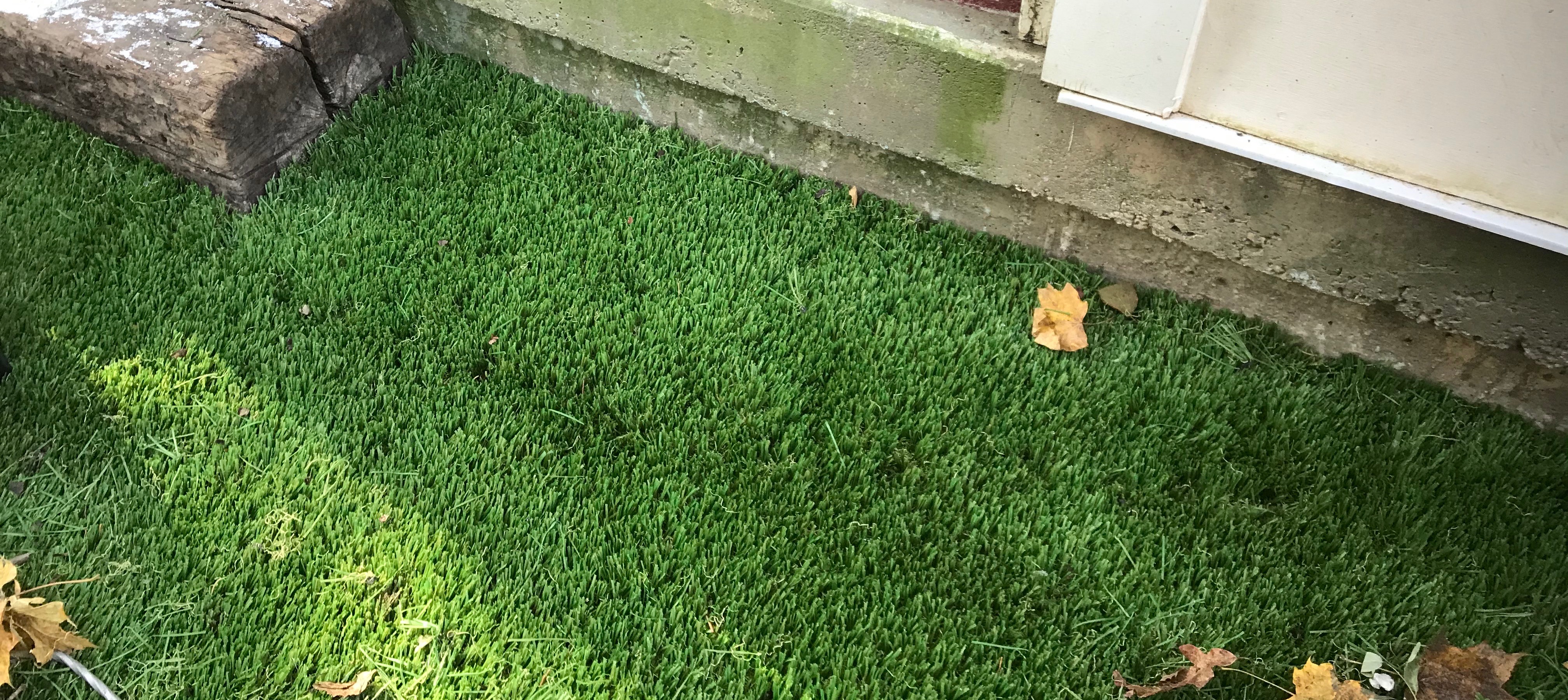
Artificial turf repairs in the Irving market break down into a predictable set of failure types, and most of them are fixable without tearing out the entire installation. The question is catching them early enough that a targeted repair is still the right call.
Seam separation is the most common structural failure we see, and in the Las Colinas and Valley Ranch corridor it often traces back to base settlement caused by Irving's expansive clay subsoil. When the base shifts under an improperly prepared installation, the seam tape releases along the weakest line. A skilled repair technician can rejoin separated seams with properly selected adhesive systems, reinforce the substrate, and restore the surface to a condition that holds. The seam join after a professional repair is typically stronger than the original bond.
Burn and melt damage is a recurring issue near Las Colinas, particularly in the Mandalay Canal and Water Street entertainment zones where patio grills, chimineas, and fireworks during area events are common. Energy-efficient Low-E windows on commercial mid-rises and luxury townhome towers along the lake corridor also concentrate solar energy onto adjacent turf zones—a known issue in high-rise-adjacent outdoor spaces. We patch burned sections with matched materials, replacing the damaged turf and base layer in the affected zone and blending the replacement with the surrounding field.
Pet damage in the townhome and single-family neighborhoods of North Irving, Plymouth Park, and Valley Ranch typically shows up as concentrated digging at fence lines and perimeter edges, or as turf degradation in high-waste zones without adequate drainage. We excavate the damaged area, treat the underlying soil, reinforce the installation against future digging, and patch with product matched to the existing turf specification.
Drainage failures in turf installations near Hackberry Creek flood plain areas or on the clay-dominant soils of north Irving require diagnosis before repair—surface pooling can result from clogged drainage layers, base settlement creating low spots, or backing failure. We identify the cause first, then repair it.
Scope Highlights
Professional seam repair using high-performance adhesives and backing tape systems that restore structural integrity and create seam bonds stronger than the original installation.
Removal of heat-damaged turf sections, base inspection and treatment, and installation of matched replacement material. Includes assessment of the heat source to recommend protective measures.
Perimeter reinforcement against digging, soil treatment under pet-damaged zones, and matched turf patching for areas degraded by concentrated waste or mechanical damage.
Professional patching of holes, cuts, and punctures with material matched to the existing installation's fiber specification, color, and pile height.
Root cause diagnosis of drainage failures followed by targeted repairs—base layer correction, infill decompaction, backing repair, or drainage channel installation depending on identified cause.
Re-anchoring of lifted perimeter sections and edge transitions that have separated from borders, creating safety hazards or allowing debris and weed intrusion at the turf margins.
We work with major turf manufacturers to source replacement material that matches your existing installation's color tone and texture profile, accounting for weathering and UV aging.
All repair work is documented with before-and-after photographs and a written service record suitable for warranty submissions and property management maintenance files.
Delivery Steps
Step 1
Our repair technician examines the damaged area, evaluates the surrounding turf condition, and identifies the underlying cause of failure—whether base settlement, heat source, pet behavior, drainage blockage, or installation defect. Accurate diagnosis prevents the same failure from recurring.
Step 2
We develop a repair approach, source matching replacement material, and prepare a written estimate covering parts and labor. For older installations, we assess whether color-matched sourcing is feasible or whether a visible patch is unavoidable and discuss options with the property owner.
Step 3
The repair zone is isolated, damaged material is removed back to clean turf margins, and the base layer is inspected and treated. Soil contamination under pet-damaged areas, heat-affected substrate, or compacted base beneath settled seams is addressed before new material is installed.
Step 4
Depending on damage type: seams are rejoined with adhesive and tape systems, patches are cut and integrated with proper seam placement and edge finishing, drainage corrections are implemented, or perimeter anchoring is reconstructed. Structural repairs receive reinforcement beyond the original specification.
Step 5
Infill is applied to the repaired section at proper depth, blended with surrounding infill levels, and power-brushed to restore consistent surface appearance. Seam lines and patch edges are groomed to minimize visibility.
Step 6
The completed repair is inspected against the surrounding turf, documented with photographs, and delivered to the property owner with specific care instructions for the repaired zone and workmanship warranty information.
Common Questions
Repair costs vary by damage type and extent. Minor seam repairs typically run $200 to $400. Patch repairs for burned or pet-damaged areas range from $400 to $1,200 depending on affected square footage. Drainage corrections are scoped individually after diagnosis and can range from $500 to several thousand dollars depending on root cause. All repairs are quoted in writing after an on-site assessment.
Yes. Burned sections are removed, the base is inspected and treated, and replacement material is installed and integrated with the surrounding turf. We also assess the heat source to recommend protective measures—heat-resistant shields for grill zones, protective edging near fire pits, or reflective barriers for Low-E window solar concentration issues common in Las Colinas high-rise-adjacent outdoor spaces.
When performed correctly with properly sourced materials, professional repairs should last as long as the surrounding installation. Our seam repairs carry a workmanship warranty, and properly reinforced patches typically hold up as well as the original installation under normal use.
The most common cause in the Irving area is base settlement driven by expansive clay subsoil, which shifts enough under moisture cycles to release seam tape adhesion along stress points. Secondary causes include installation defects like improper seam tape selection, excessive foot traffic directly on seam lines, and heat-related adhesive degradation in high-sun exposure zones. We address the root cause during repair to prevent recurrence.
Pet damage confined to specific zones—typically perimeter digging areas or high-waste concentration spots—is repaired with targeted patching, soil treatment, and base reinforcement. We add digging-deterrent anchoring at fence lines for confirmed diggers. If pet damage is distributed across the entire installation or the backing has been degraded through years of concentrated waste, targeted repairs may not be cost-effective and replacement should be evaluated.
Not always. If damage is confined and the surrounding turf is in good structural condition, repair is the clear choice. If the installation has multiple failure points across the field, widespread fiber degradation, or persistent drainage failures related to base construction, replacement with properly engineered installation may cost less over the next ten years than serial repairs. We provide honest assessments when replacement is the more sensible path.
Most single-area repairs are scheduled within three to five business days of quote acceptance and completed in a single visit. Emergency repairs for safety hazards like significant seam separation or edge lifting can typically be accommodated within 48 hours for Irving-area properties.
Artificial Turf of Irving provides repair services across Irving, Las Colinas, Valley Ranch, Hackberry Creek, Cottonwood Valley, Plymouth Park, Hospital District, North Irving, Grand Prairie, Coppell, Farmers Branch, Carrollton, and surrounding DFW communities.
View All LocationsRelated Services
Project Request