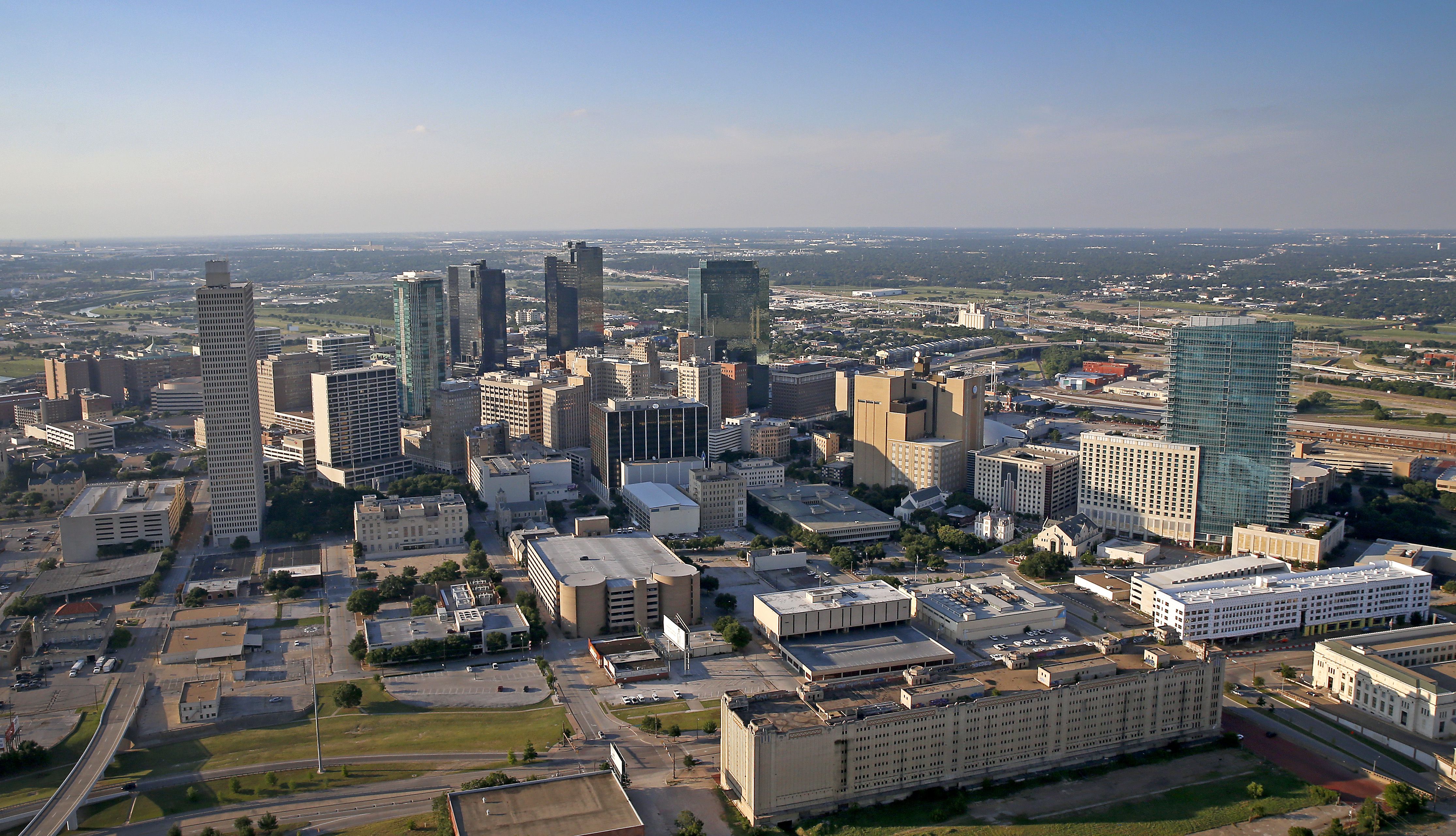
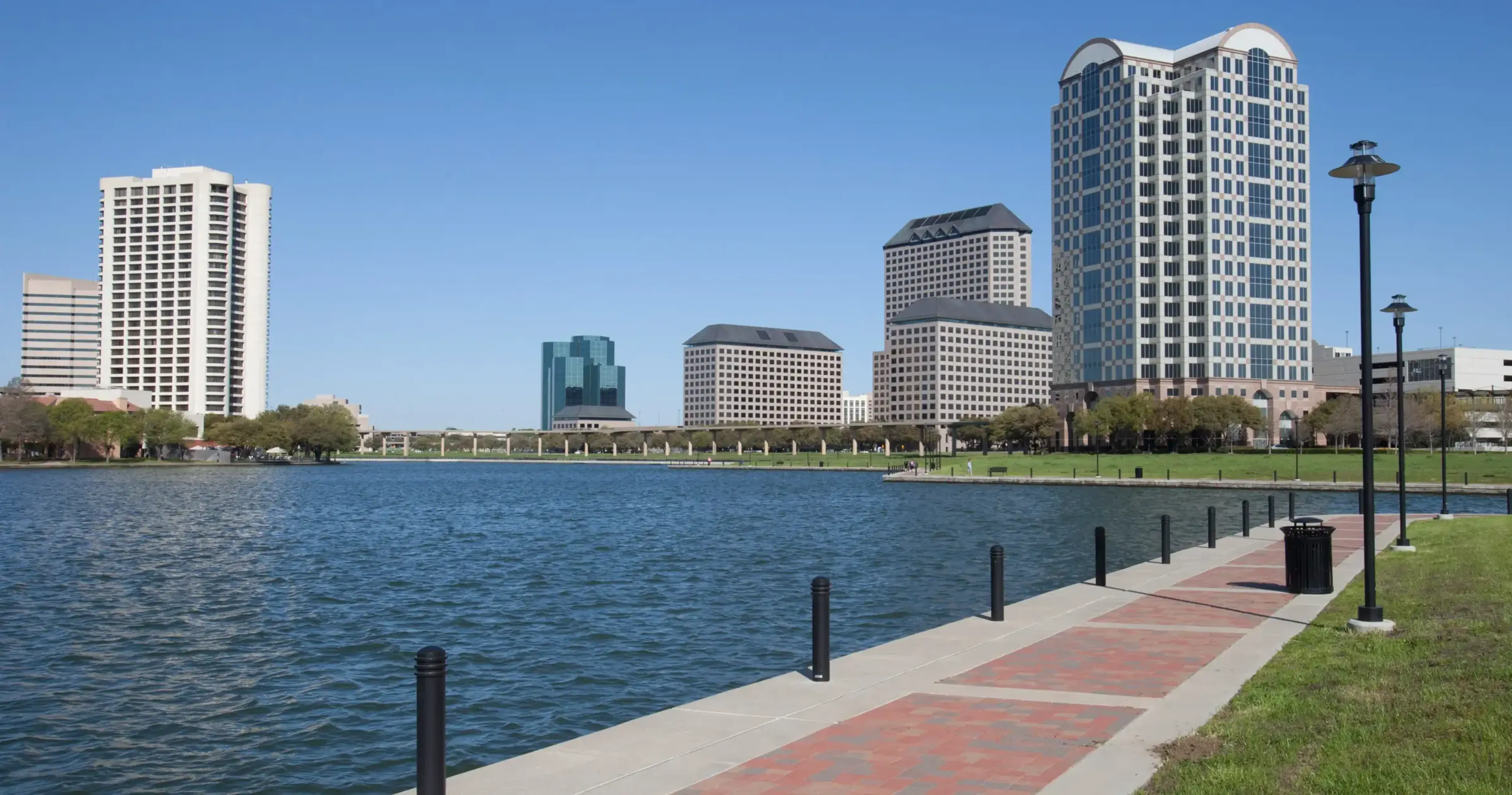
Grand Prairie occupies the corridor between Dallas and Fort Worth along Interstate 30, with a northern edge that runs adjacent to Irving's south side and the mid-cities commercial zone. The city's position along the Great Trinity Forest and Joe Pool Lake gives it a different landscape character than the urban core of Las Colinas to the north—broader lots, more tree canopy, and in the lake district, soil conditions that shift between clay-dominant and sandy loam depending on proximity to the lake shoreline.
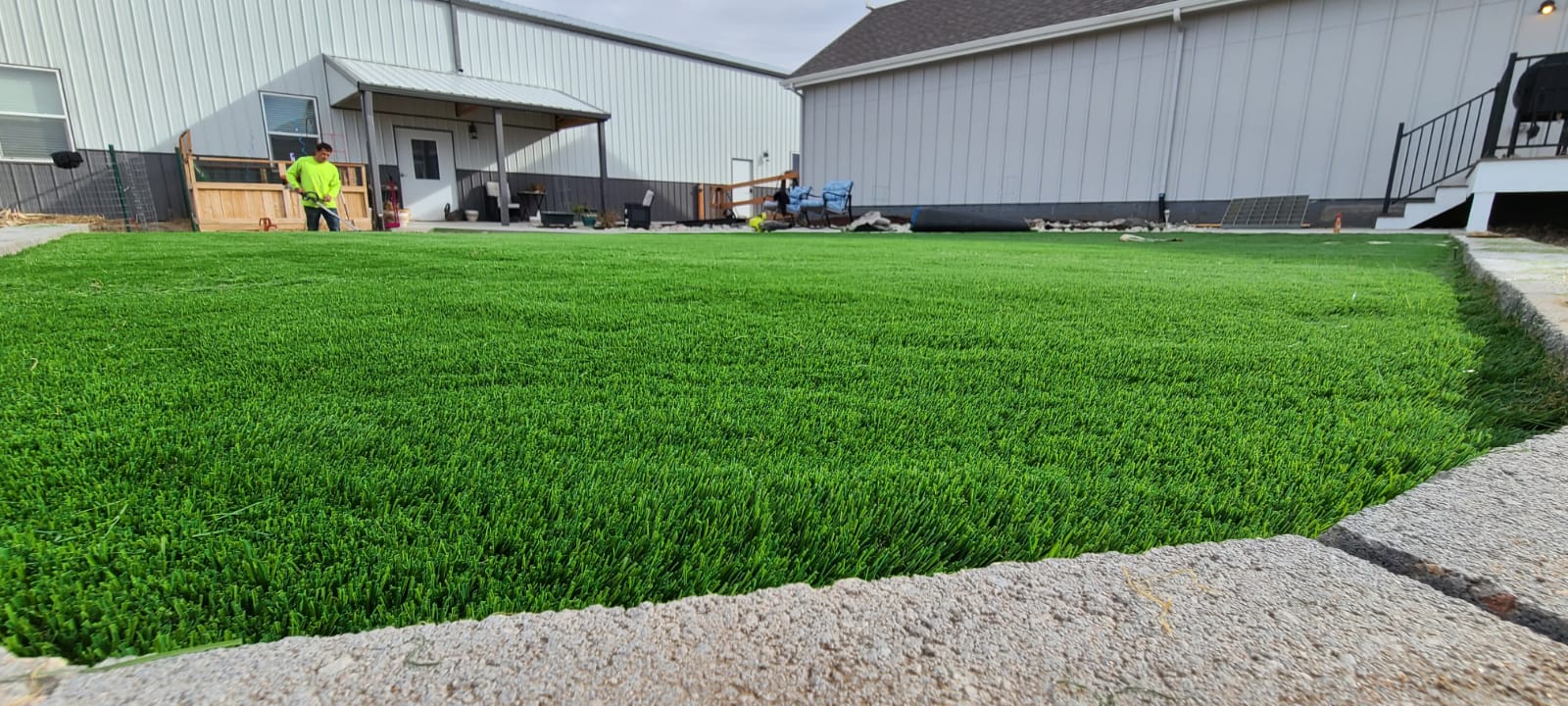
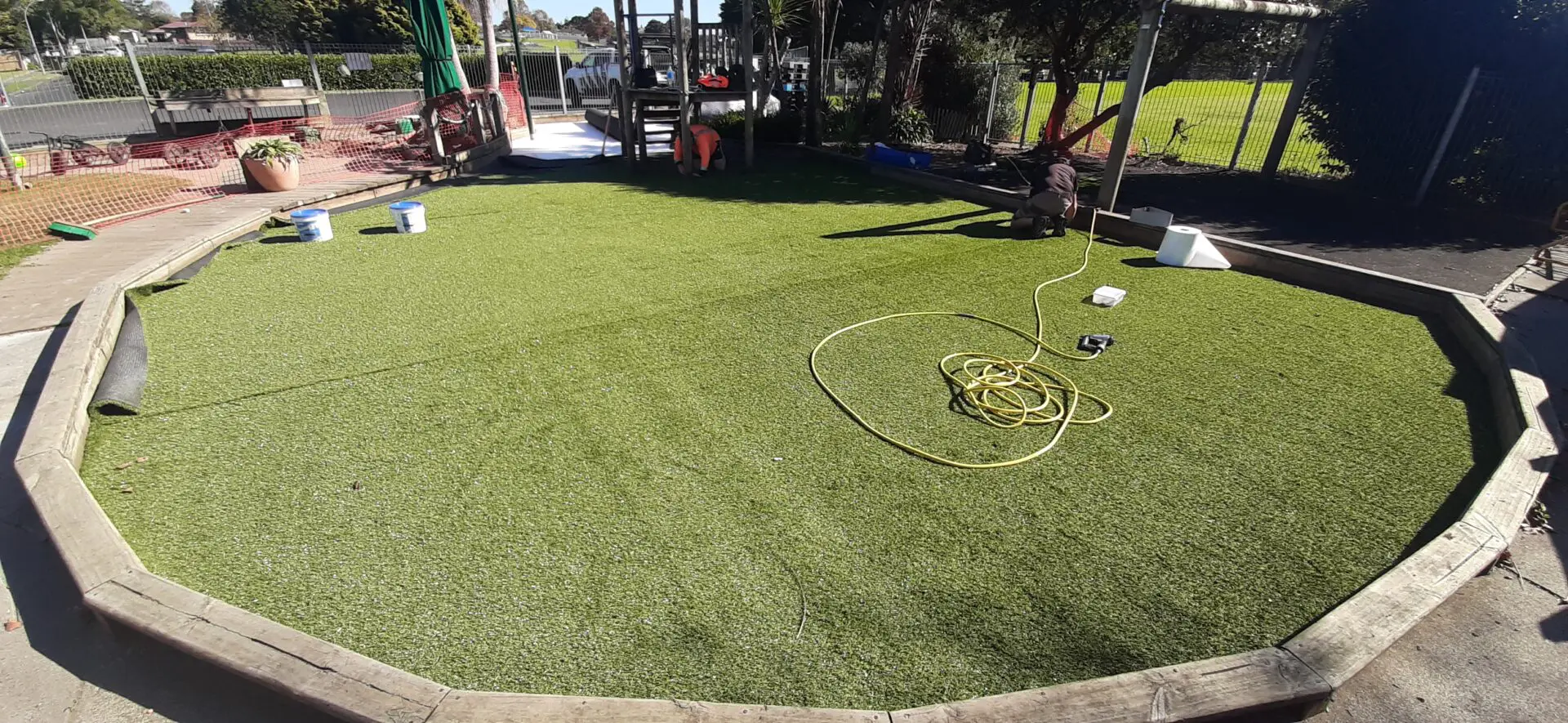
The North Texas climate makes lawn maintenance difficult regardless of where in the metroplex you live. Grand Prairie's summer heat regularly pushes past 100 degrees, the city sits under periodic Stage 2 water restrictions during drought years, and the clay soils common in the north and west sections of the city create the same drainage challenges that Irving homeowners face. Natural grass on compacted clay with limited irrigation windows produces the struggling, patchy lawn that has made artificial turf adoption accelerate throughout the DFW corridor.
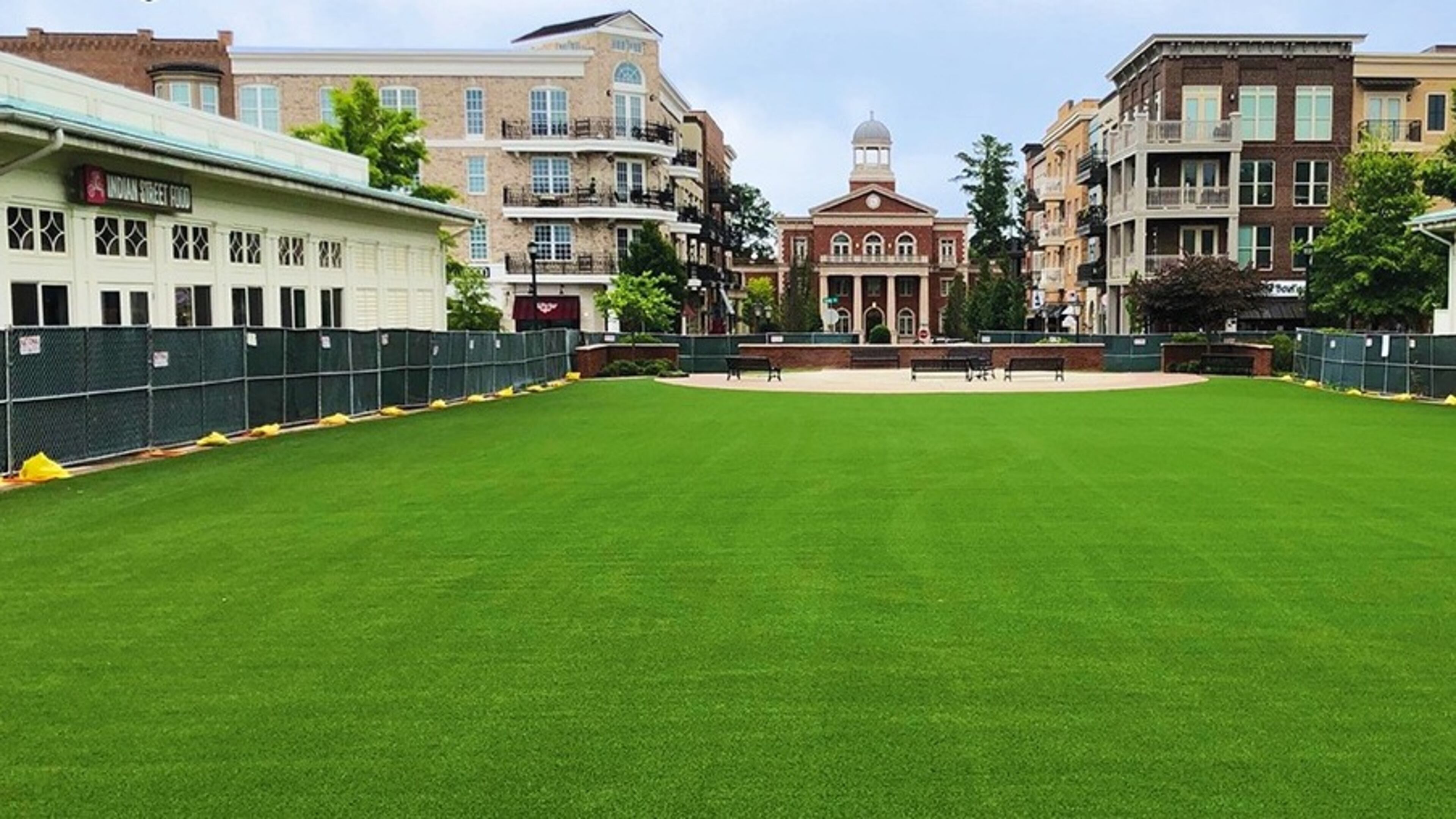
Grand Prairie's commercial corridor along State Highway 360 and the retail density near Lone Star Park and the Arlington Entertainment District creates demand for commercial artificial turf that holds up to the specific demands of high-traffic retail and hospitality environments. We install commercial-grade systems on Grand Prairie properties with the same engineering standards we apply to Las Colinas corporate campuses—base preparation calibrated to site drainage, commercial fiber specification rated for foot traffic volumes, and installation scheduling that works around active business operations.
Artificial Turf of Irving serves Grand Prairie as part of the same DFW corridor service area that includes Irving's south and east boundaries. Response times to Grand Prairie are comparable to Irving, and our knowledge of the regional soil conditions, municipal permit requirements, and HOA landscape standards translates directly to Grand Prairie projects.